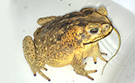
Depredación de Anolis sagrei (Sauria: Anolidae) por Rhinella horribilis (Anura: Bufonidae) en México
##plugins.themes.bootstrap3.article.sidebar##
Publicado
ene 24, 2026
##plugins.themes.bootstrap3.article.main##
Resumen
La documentación de las interacciones depredador-presa es esencial para comprender las relaciones tróficas y la ecología de las especies involucradas; sin embargo, su observación directa suele ser poco frecuente. Se describe un evento de depredación de Anolis sagrei Duméril & Bibron, 1837 por Rhinella horribilis (Wiegmann, 1833) en la zona urbana de Chetumal, Quintana Roo, México, aportando información novedosa sobre la relación trófica entre estas especies, cuya asociación con ambientes antropizados es muy estrecha.
##plugins.themes.bootstrap3.article.details##
Palabras Clave
abaniquillo costero maya, sapo de caña mesoamericano, dieta, ecología trófica, ambiente antropizado
Referencias
Aguilar-Miguel, X., & Casas-Andreu, G. (2013). Rhinella marina (Cane Toad). Diet. Herpetological Review, 44(1), 130.
Badillo-Saldaña, L. M., Beteta-Hernández, C. I., Ramírez-Bautista, A., Lara-Tufiño, J. D., & Pineda-López, R. (2016). First record of nocturnal activity in two diurnal anole species (Squamata: Dactyloidae) from Mexico. Mesoamerican Herpetolology, 3(3), 715–718.
Campbell, J. A. (1998). Amphibians and reptiles of northern Guatemala, the Yucatán, and Belize. University of Oklahoma Press.
Cedeño-Vázquez, J. R., Cedeño-Zacarías, E., & Lucio-Palacio, C. R. (2023). Anolis sagrei (Brown Anole). Predation. Herpetological Review, 54(2), 290–291.
Cedeño-Vázquez, J. R., Lucio-Palacio, C. R., Cedeño-Zacarías, E., & Candia-Ramírez, C. T. (2025). Possible predation on a brown anole Anolis sagrei (Squamata: Anolidae) by a Mexican red rump tarantula Tliltocatl vagans (Araneae: Theraphosidae) in Quintana Roo, Mexico. Revista Latinoamericana de Herpetolología, 8(2), e1249–282.
https://doi.org/10.22201/fc.25942158e.2025.2.1249
Dias, M. A. P. C., Vieira, E. M. A., Assis, C. L., & Feio, R. N. (2023). Depredación de Micrurus cf. carvalhoi (Serpentes: Elapidae) por Cariama cristata (Cariamiformes: Cariamidae). Caldasia, 45(2), 377–379. https://doi.org/10.15446/caldasia.v45n2.95720
Díaz-Gamboa, L., May-Herrera, D., Gallardo-Torres, A., Cedeño-Vázquez, R., González-Sánchez, V., Chiappa-Carrara, X., & Yañes-Arenas, C. (2020). Catálogo de reptiles de la península de Yucatán. Universidad Nacional Autónoma de México (UNAM).
Frost, D. R. (2025). Amphibian Species of the World: an Online Reference. Version 6.2. American Museum of Natural History, New York, USA. Disponible en: https://amphibiansoftheworld.amnh.org/index.php. [consultado el 15 de julio de 2025]. https://doi.org/10.5531/db.vz.0001
Global Invasive Species Database. (2025). Species profile Norops sagrei. Disponible en: http://www.iucngisd.org/gisd/speciesname/Norops+sagrei [Consultado el 16 de julio de 2025].
Heimes, P. (2022). Herpetofauna Mexicana Vol. 2 Lizards of Mexico: Part 1. Iguanian Lizards. Edition Chimaira.
Lee, J. C. (1996). The amphibians and reptiles of the Yucatán Peninsula. Cornell University Press.
Lee, J. C. (2000). A field guide to the amphibians and reptiles of the Maya world. The lowlands of Mexico, northern Guatemala and Belize. Cornell University Press.
Meshaka, Jr. W. E., & Powell, R. (2010). Diets of the native Southern Toad (Anaxyrus terrestris) and the exotic Cane Toad (Rhinella marina) from a single site in south-central Florida. Florida Scientist, 73(2), 175–179.
Pizzatto, L., Somaweera, R., Kelehear, C., & Brown, G. P. (2012). Rhinella marina (Cane Toad). Diet. Herpetological Review, 43(3), 469–471.
Raya-García, E., Sosa-Toche, M., & Suazo-Ortuño, I. (2024). Notes on summer diet of two sympatric bufonids (Rhinella horribilis and Incilius marmoreus) in a Neotropical environment from Western Mexico. Russian Journal of Herpetology, 31(4), 250–253. https://doi.org/10.30906/1026-2296-2024-31-4-250-253
Rind, F. C., & Bels, V. (2024). Prey-predator interactions. Frontiers in Behavioral Neuroscience, 18, 1367484. doi: https://doi.org/10.3389/fnbeh.2024.1367484
Vásquez-Cruz, V., Reynoso-Martínez, A., Fuentes-Moreno, A., & Canseco-Márquez, L. (2020). The distribution of Cuban brown anoles, Anolis sagrei (Squamata: Dactyloidae), in Mexico, with new records and comments on ecological interactions. Reptiles & Amphibians, 27(1), 29–35.
Badillo-Saldaña, L. M., Beteta-Hernández, C. I., Ramírez-Bautista, A., Lara-Tufiño, J. D., & Pineda-López, R. (2016). First record of nocturnal activity in two diurnal anole species (Squamata: Dactyloidae) from Mexico. Mesoamerican Herpetolology, 3(3), 715–718.
Campbell, J. A. (1998). Amphibians and reptiles of northern Guatemala, the Yucatán, and Belize. University of Oklahoma Press.
Cedeño-Vázquez, J. R., Cedeño-Zacarías, E., & Lucio-Palacio, C. R. (2023). Anolis sagrei (Brown Anole). Predation. Herpetological Review, 54(2), 290–291.
Cedeño-Vázquez, J. R., Lucio-Palacio, C. R., Cedeño-Zacarías, E., & Candia-Ramírez, C. T. (2025). Possible predation on a brown anole Anolis sagrei (Squamata: Anolidae) by a Mexican red rump tarantula Tliltocatl vagans (Araneae: Theraphosidae) in Quintana Roo, Mexico. Revista Latinoamericana de Herpetolología, 8(2), e1249–282.
https://doi.org/10.22201/fc.25942158e.2025.2.1249
Dias, M. A. P. C., Vieira, E. M. A., Assis, C. L., & Feio, R. N. (2023). Depredación de Micrurus cf. carvalhoi (Serpentes: Elapidae) por Cariama cristata (Cariamiformes: Cariamidae). Caldasia, 45(2), 377–379. https://doi.org/10.15446/caldasia.v45n2.95720
Díaz-Gamboa, L., May-Herrera, D., Gallardo-Torres, A., Cedeño-Vázquez, R., González-Sánchez, V., Chiappa-Carrara, X., & Yañes-Arenas, C. (2020). Catálogo de reptiles de la península de Yucatán. Universidad Nacional Autónoma de México (UNAM).
Frost, D. R. (2025). Amphibian Species of the World: an Online Reference. Version 6.2. American Museum of Natural History, New York, USA. Disponible en: https://amphibiansoftheworld.amnh.org/index.php. [consultado el 15 de julio de 2025]. https://doi.org/10.5531/db.vz.0001
Global Invasive Species Database. (2025). Species profile Norops sagrei. Disponible en: http://www.iucngisd.org/gisd/speciesname/Norops+sagrei [Consultado el 16 de julio de 2025].
Heimes, P. (2022). Herpetofauna Mexicana Vol. 2 Lizards of Mexico: Part 1. Iguanian Lizards. Edition Chimaira.
Lee, J. C. (1996). The amphibians and reptiles of the Yucatán Peninsula. Cornell University Press.
Lee, J. C. (2000). A field guide to the amphibians and reptiles of the Maya world. The lowlands of Mexico, northern Guatemala and Belize. Cornell University Press.
Meshaka, Jr. W. E., & Powell, R. (2010). Diets of the native Southern Toad (Anaxyrus terrestris) and the exotic Cane Toad (Rhinella marina) from a single site in south-central Florida. Florida Scientist, 73(2), 175–179.
Pizzatto, L., Somaweera, R., Kelehear, C., & Brown, G. P. (2012). Rhinella marina (Cane Toad). Diet. Herpetological Review, 43(3), 469–471.
Raya-García, E., Sosa-Toche, M., & Suazo-Ortuño, I. (2024). Notes on summer diet of two sympatric bufonids (Rhinella horribilis and Incilius marmoreus) in a Neotropical environment from Western Mexico. Russian Journal of Herpetology, 31(4), 250–253. https://doi.org/10.30906/1026-2296-2024-31-4-250-253
Rind, F. C., & Bels, V. (2024). Prey-predator interactions. Frontiers in Behavioral Neuroscience, 18, 1367484. doi: https://doi.org/10.3389/fnbeh.2024.1367484
Vásquez-Cruz, V., Reynoso-Martínez, A., Fuentes-Moreno, A., & Canseco-Márquez, L. (2020). The distribution of Cuban brown anoles, Anolis sagrei (Squamata: Dactyloidae), in Mexico, with new records and comments on ecological interactions. Reptiles & Amphibians, 27(1), 29–35.
Sección
Notas
Derechos de Autor

Esta obra está bajo una licencia internacional Creative Commons Atribución-NoComercial 4.0.
Cómo citar
Cedeño-Vázquez, J. R., & Ríos Rodas, L. (2026). Depredación de Anolis sagrei (Sauria: Anolidae) por Rhinella horribilis (Anura: Bufonidae) en México. Novitates Caribaea, (27), 80–83. https://doi.org/10.33800/nc.vi27.392
Métricas del artículo
- 453 Vistas Resumen vistas
- 209 Descargas PDF Descargas
- 67 Vistas Html Vistas
Descargas
Los datos de descargas todavía no están disponibles.